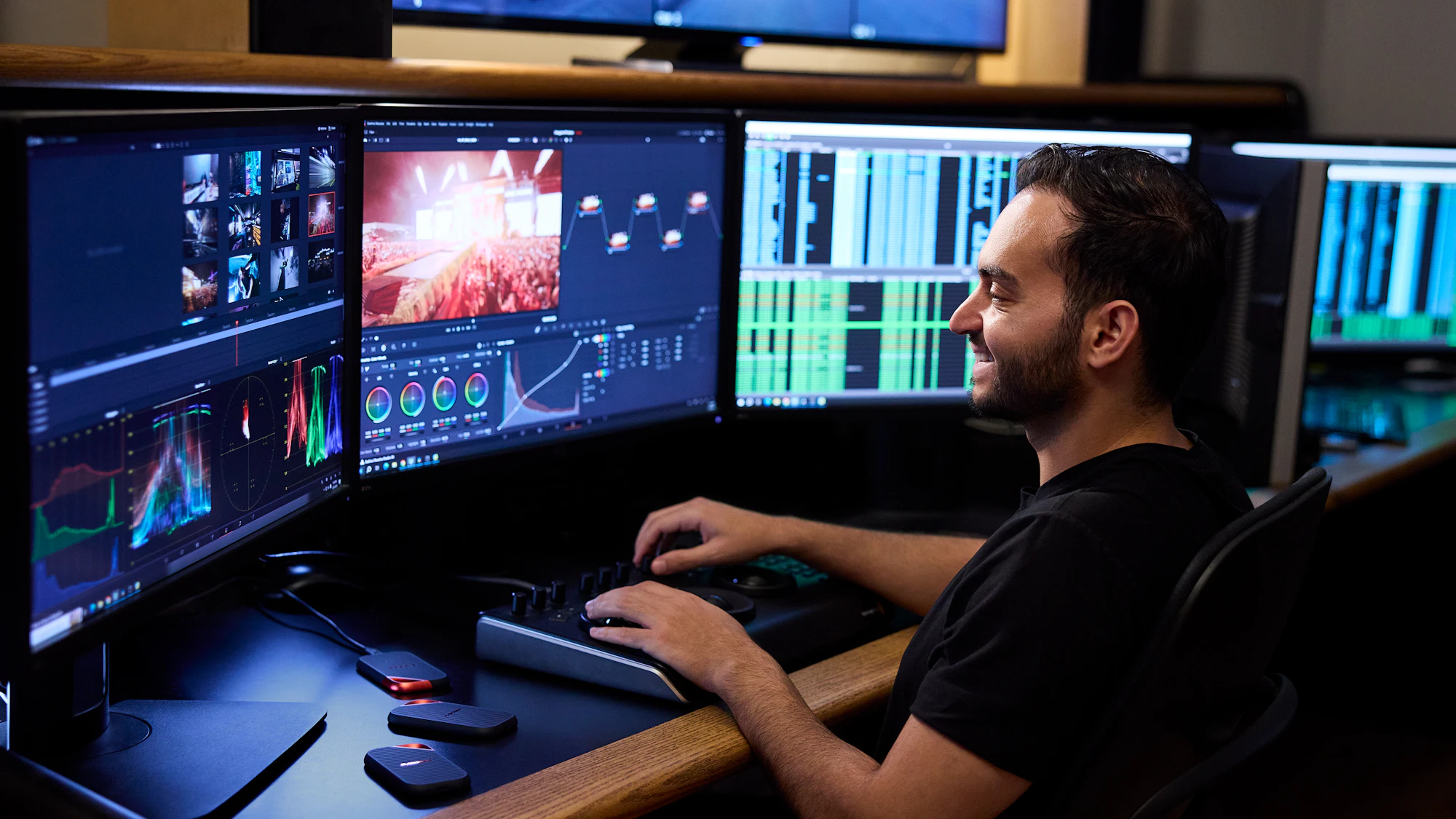
A showreel tells you what an editor can do on their best day, with footage they chose. Your shows will arrive with a guest on laptop audio, a host who talks over people, and a client who wants it on Thursday.
One paid pilot episode tells you more. Here is how to run one so the result means something.
- ChooseAn ordinary episode
- BriefOne clear page
- ScoreEight things to check
- ReviseOne round of notes
- DecideWould you publish it?
Choose an ordinary episode
Send an episode that looks like most of your work. A perfect studio recording hides weak audio skills. Your worst recording ever tests rescue work, which is a different job.
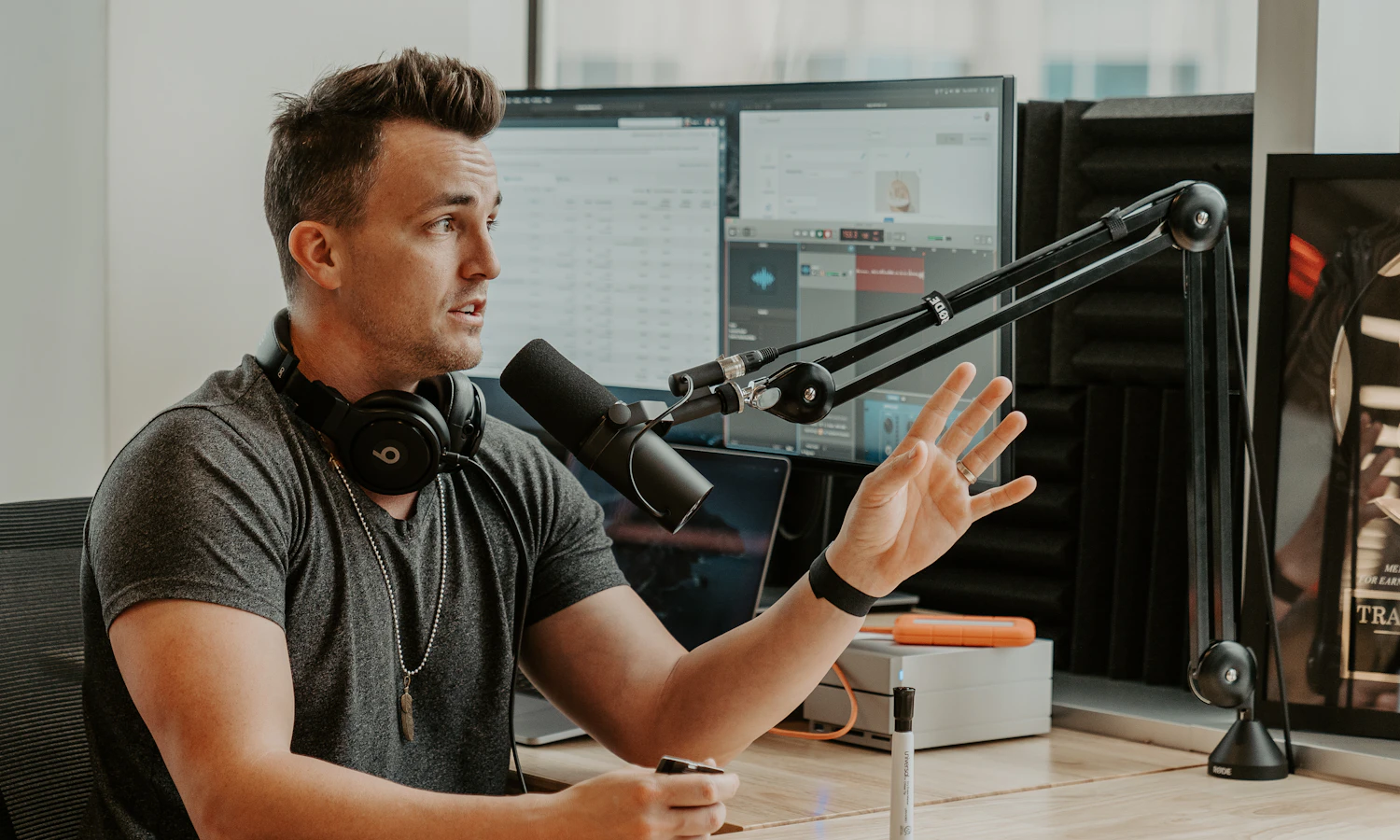
A good pilot episode has
- Two or more speakers
- At least one audio problem, such as echo or uneven levels
- A section that needs to be cut
- An existing published episode to match
Remove anything confidential, and check that your client agreement allows you to share the files.
Pay for it
A free test gets fitted around paying work, so you learn how someone treats unpaid work. A paid pilot has a scope and a delivery date, and you can judge both.
A free test shows you how someone treats unpaid work.
Write a one-page brief
Give the same brief you would give on a normal week. These seven lines are enough.
Pilot brief
- FilesA link to the raw recording, with each speaker’s track labeled
- ReferenceOne finished episode the edit should match
- DeliverablesFor example, one full video episode and two vertical clips
- RulesWhat to do with filler words, pauses, crosstalk and swearing
- Brand assetsLogo, fonts, colors, intro and outro
- DeadlineThe date and time zone for the first version
- FeedbackWhere comments go, and how many revision rounds are included
Leave the brief normal. If you over-explain the pilot, you won’t see how the editor handles a real handover.
Score the result
Score each area from 1 to 5. Decide before you watch which ones matter most to you.
- AudioAre the speakers level with each other? Can you still hear echo or noise?
- StoryDid the cuts keep the meaning? Does any answer feel chopped?
- CameraDoes each cut follow the conversation, or just switch for the sake of it?
- CaptionsAre names, brands and technical terms spelled correctly?
- MatchWould a viewer believe it came from the same show?
- ClipsDoes each one make sense without the full episode?
- QuestionsWere they useful, and asked early?
- DeliveryWas it on time, complete and named the way you asked?
Watch once on a laptop and once on a phone with the sound low. Problems that slip past on good headphones tend to show up there.
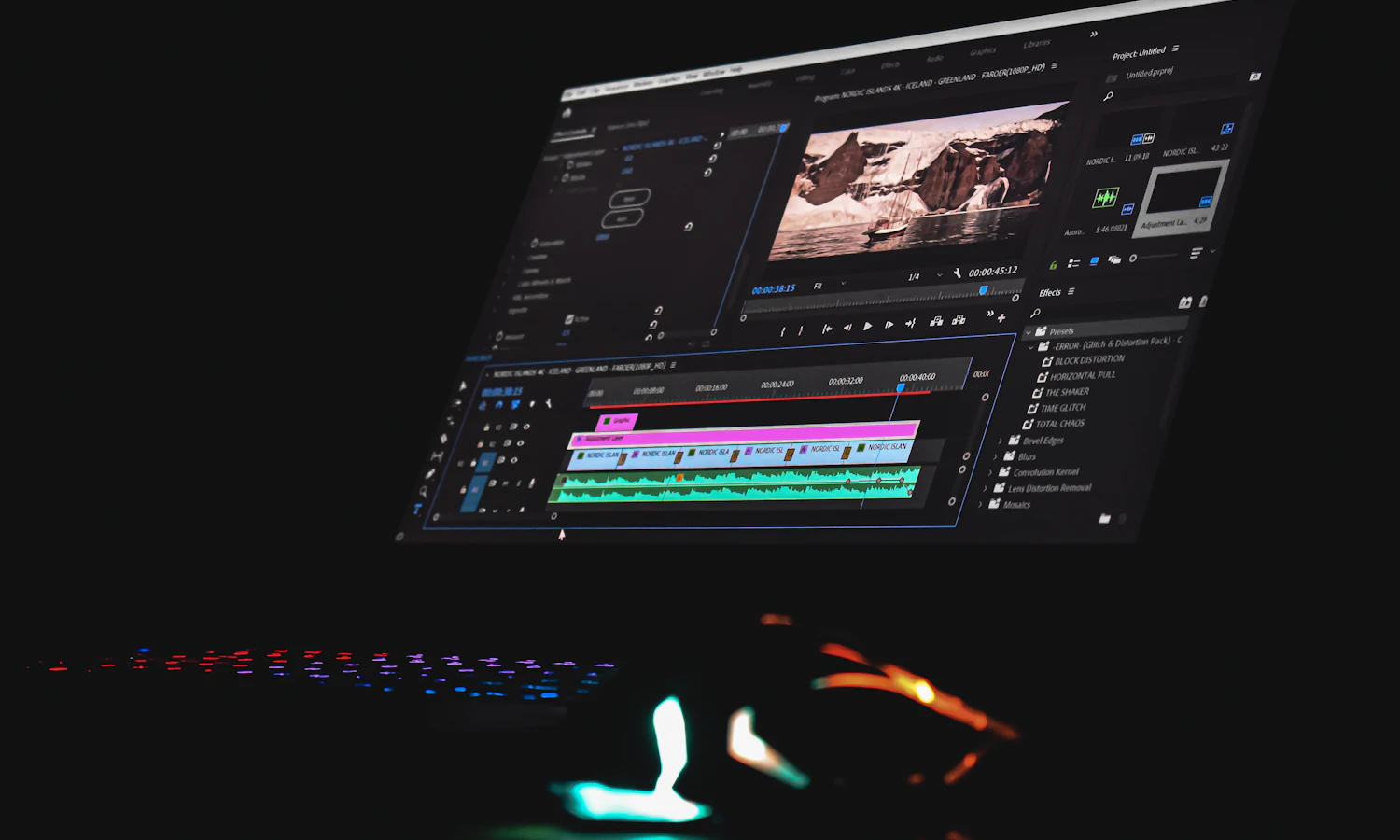
Give one round of real notes
The first version shows skill. The second shows whether you can work together.
Send your notes in one batch, with at least one change of direction, such as a shorter opening. Then check three things.
- Was every note handled?
- Did anything else break?
- Did the editor ask when a note was unclear?
Ask what happens on episode two
Before you commit, ask
- Where will the rules from this pilot be written down?
- Who edits the next episode, and who checks it before I see it?
- What happens if a recording arrives late?
- Who can access our client’s files, and when are they deleted?
- Will our name or our client’s name appear in your marketing?
The first question matters most. In my own work editing more than 40 podcast shows for one agency, shows have had their own preferences for pacing, captions and graphics. If those live only in someone’s memory, quality depends on that person’s memory.
Decide with a simple rule
Would you publish the second version under your own brand after only small changes?
If yes, move forward. If you found yourself explaining the same note twice, stop there. A pilot that ends in a no is easier to leave than a monthly commitment.
Run your pilot with us
Podnex Studios edits video podcasts for agencies under the agency’s own brand. A pilot is one real episode, with the scope, price and delivery date agreed before work starts.